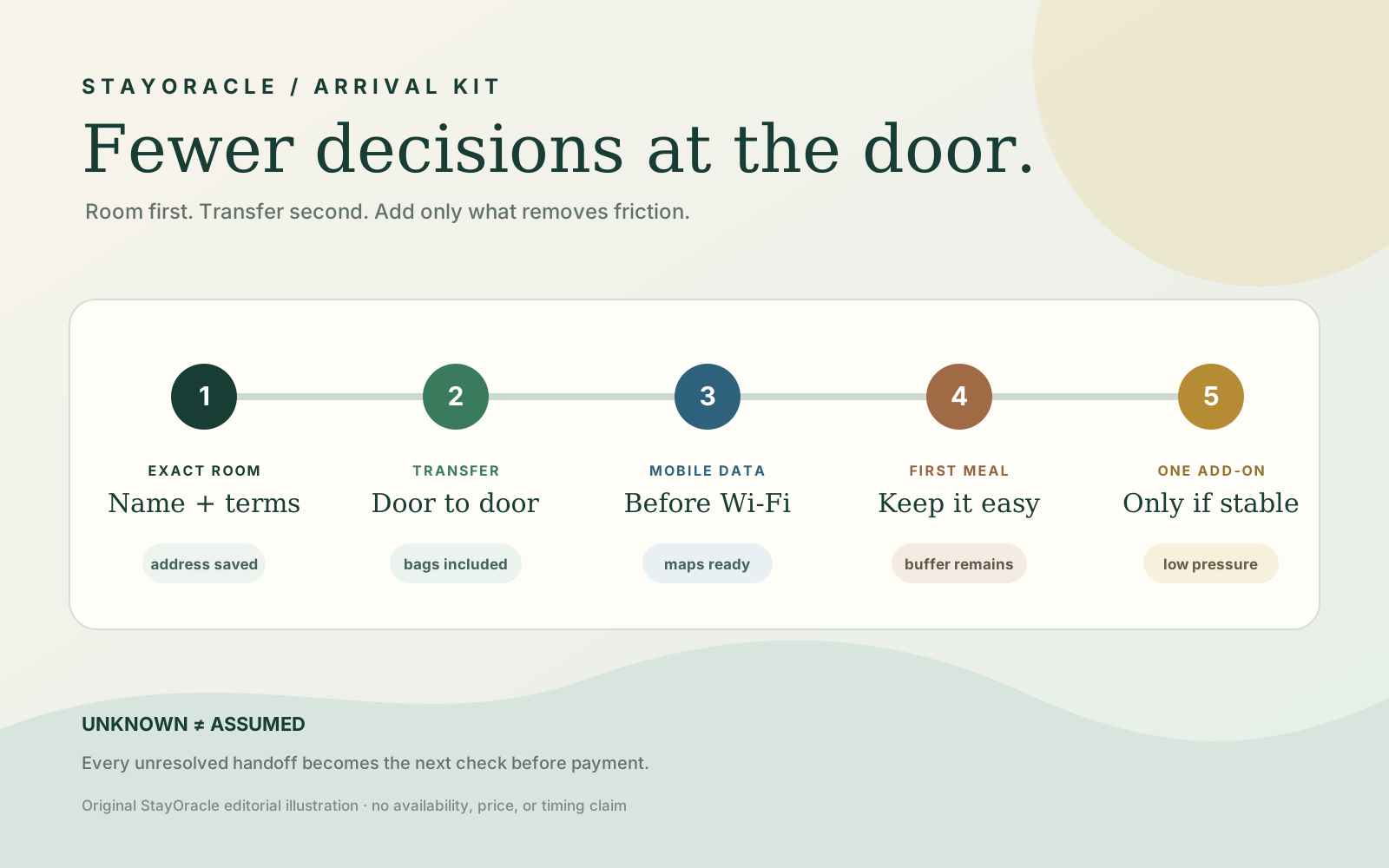
Solve the handoffs in the order they can fail
Keep an unknown visible instead of filling it with a guess. Each unresolved row becomes the next check before payment.
| Handoff | Confirm | Stop and resolve when |
|---|---|---|
| Hotel and room | Exact property, address, room, guests, bed, cancellation, payment timing, and final total | The room or hotel name changes between the guide, provider page, and final screen |
| Transfer | Arrival point, pickup or station exit, vehicle or rail leg, luggage, contact, and hotel entrance | The final door-to-door leg is still described only as a map pin or broad area |
| Mobile data | Roaming, eSIM, or local SIM ready before maps and pickup messages are needed | The route depends on hotel Wi-Fi that begins after arrival |
| Meal and activity | One flexible meal and at most one low-pressure plan near the chosen base | A fixed booking leaves no buffer for immigration, traffic, ferry changes, or check-in |
Start with the first transfer
Before comparing final room prices, decide how the group reaches the hotel from the airport, ferry pier, train station, or city arrival point. A cheaper room can become the wrong choice if the first transfer is slow, unclear, or hard with luggage.
For late arrivals, prioritize visible lobby access, simple vehicle pickup, nearby food, and a clear check-in path. For daytime arrivals, check luggage storage, early-arrival comfort, and whether the first beach, mall, pier, or cafe stop is realistic before the room is ready.
Plan a Da Nang airport to Hoi An hotel handoff →Set mobile data before relying on hotel Wi-Fi
An eSIM, local SIM, or roaming plan is most valuable during the handoff: maps, ride-hailing, ferry changes, airport pickup messages, and live booking checks all happen before hotel Wi-Fi is useful.
Save the hotel address, selected room, cancellation rule, booking-provider page, and a backup contact path. That makes the arrival more resilient if the group is comparing hotels on mobile or moving between apps.
Plan the first meal before adding tours
A first meal is often a better test of hotel location than a long activity list. Check whether dinner, breakfast, convenience stores, or a simple cafe stop are realistic from the exact hotel block.
This matters across very different stays: a Bangkok city hotel needs a low-friction dinner or BTS plan, a Phuket beach stay needs an easy first evening, and a Samui quiet-coast stay needs enough dining confidence before choosing a secluded base.
Sequence a Bangkok airport-to-dinner handoff →Add one light activity, not a packed itinerary
The safest first-day add-ons are the ones that remove friction: airport or pier transfer, mobile data, one light local activity, a food stop, or a short cultural visit close enough that the hotel still feels easy.
Save full-day tours, boat trips, temple circuits, or spa-heavy plans until the room and area are confirmed. A good arrival plan should make check-in smoother, not add more timing risk.
Use room evidence and live terms as the pre-booking control
Use reviewed room rows and location evidence to narrow the shortlist without inventing missing details. If a hotel page still contains generic or unresolved copy, rely on the named room evidence and declared sources rather than treating that prose as a verified property promise.
Then open Trip.com or the booking provider for live availability, taxes, cancellation rules, payment timing, room inclusions, and the final payable total. StayOracle is an independent planning guide and may earn a commission from eligible links.
Compare rooms on one evidence worksheet →